While your car’s paint contributes to its overall appearance, it serves primarily as a protective screen against rust, corrosion, and premature wear. Because this also means that your paint is continually exposed to the elements, the weather has a significant impact on its lifespan. With obstacles such as blistering heat in the summer and road salt during the winter, your car’s paint is continuously at risk of harm. Understanding these hazards and adopting precautionary steps will keep your car looking its best for years to come. A well-maintained exterior not only enhances your car’s appearance, but also retains its market value.
In this article, we will explain how different types of weather affect automobile paint and what you can do to protect it. Knockout Collision Repair , an industry leader in automotive maintenance and repair, has the knowledge and experience to help you keep your vehicle in peak condition.
EFFECT OF SUN AND HEAT ON CAR PAINT
One of the first issues you may encounter with your vehicle is fading paint. This is frequently caused by excessive sun exposure. The sun’s ultraviolet (UV) rays eventually degrade the molecular bonds in car paint, resulting in oxidation, dullness, and color loss. This process occurs more quickly in warmer areas or when automobiles are parked outside for a lengthy amount of time. The harm isn’t just cosmetic. When the clear coat deteriorates, the underlying paint is subject to scratches and erosion.
In addition to fading, severe heat can cause paint layers to expand and compress, resulting in microscopic crevices where dirt and moisture can settle. This accelerates the aging process and lowers your vehicle’s total worth. To counteract these impacts, use UV-resistant waxes or ceramic coatings to create a protective barrier against the sun. Regular detailing also refreshes your paint and extends its life. It is highly recommended that you get paint protection procedures from an expert. These treatments exceed at-home coatings, guaranteeing that your vehicle retains its shine and toughness even during high summer temperatures.
How Rain and Humidity Affect Painting?
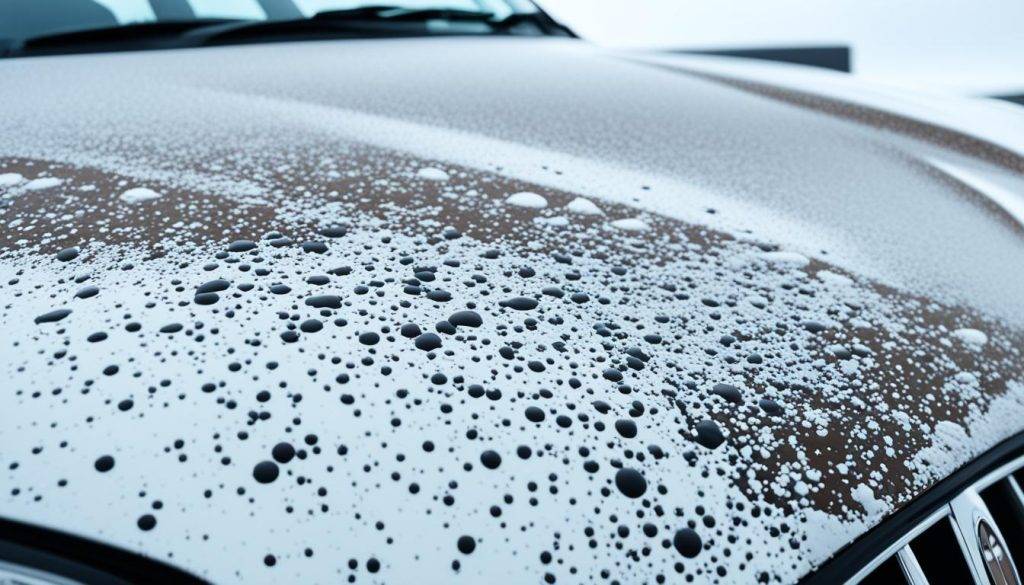
A little rain shower may remove some dirt from your car, but rainfall is far from harmless. Most rain contains pollutants, such as acids and minerals, which adhere to your paint after it evaporates. These residues create tenacious water stains that, if not addressed, etch into the clear coat. The danger is increased in locations with high levels of industrial pollution or acid rain. Acidic particles hasten paint disintegration and leave behind persistent stains. High humidity aggravates the condition. Moisture in the air remains on your car’s surface, penetrating scratches and chips where bare metal is exposed. Over time, this moisture promotes oxidation and rust formation beneath the paint, which can swiftly spread if not handled.
Regularly washing your car after a storm helps to eliminate impurities before they cause long-term damage. A hydrophobic sealant or ceramic coating can also assist avoid this. These coatings keep water from adhering to the surface, which reduces spots and etching.
SNOW, ICE, AND ROAD SALT DAMAGE
Winter temperatures are particularly tough on your car’s finish. Snow and ice may not necessarily cause paint damage, but when coupled with road salt and de-icing chemicals, they create a corrosive mixture that eats away at your vehicle’s protective layers. Salt particles adhere to your car’s exterior, infiltrating minor cracks or chips. This results in bubbling, flaking, and ultimately rusting. When rust takes hold, repairs can be complex and expensive. Another major cause of winter paint damage is snow and ice removal. Scraping aggressively with harsh tools or brushing might harm the surface and degrade the clear coat.
Even automated car washes offer concerns in the cold. If grit and salt are not washed off your automobile’s surface before going through a car wash, they can produce microscratches in the top coat. These minor flaws generate weak areas where rust can spread. The best defense against winter damage is a combination of preventative and routine maintenance. Applying a long-lasting wax or ceramic coating before winter begins provides a robust barrier against corrosive elements. It’s also necessary to wash your car on a regular basis, including the undercarriage, to assist eliminate salt buildup.
SEASONAL MAINTENANCE TIPS FOR PROTECTING PAINT
Because different seasons expose your vehicle to varied conditions, changing your routine throughout the year can help extend the life of your paint. In the winter, frequent washes—particularly undercarriage rinses—are the most effective way to prevent salt and dirt from accumulating. In the summer, it’s a good idea to apply a fresh layer of wax or ceramic protection before the warmest months to ensure your finish has a strong barrier. Spring and fall are good seasons for inspections and touch-ups. As the weather changes, inspect your vehicle’s exterior for minor chips, scratches, or early symptoms of oxidation. Taking care of these concerns early prevents them from progressing to larger, more expensive fixes.
Let Knockout Collision Repair take care of your car paint requirements
We recognize that each season presents unique challenges to your car’s paint. That is why our specialist paint services are designed to not only restore your vehicle’s original shine but also give long-term protection from the environment. We use innovative paint-matching technology and high-quality products to create a smooth finish that keeps your automobile looking great while protecting it from fading, chipping, and corrosion. Our heated paint booths and precise application procedures offer long-lasting effects regardless of weather conditions.