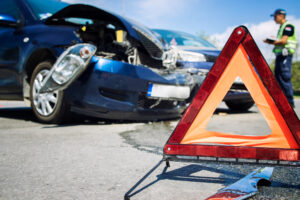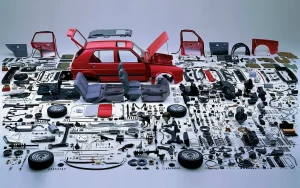
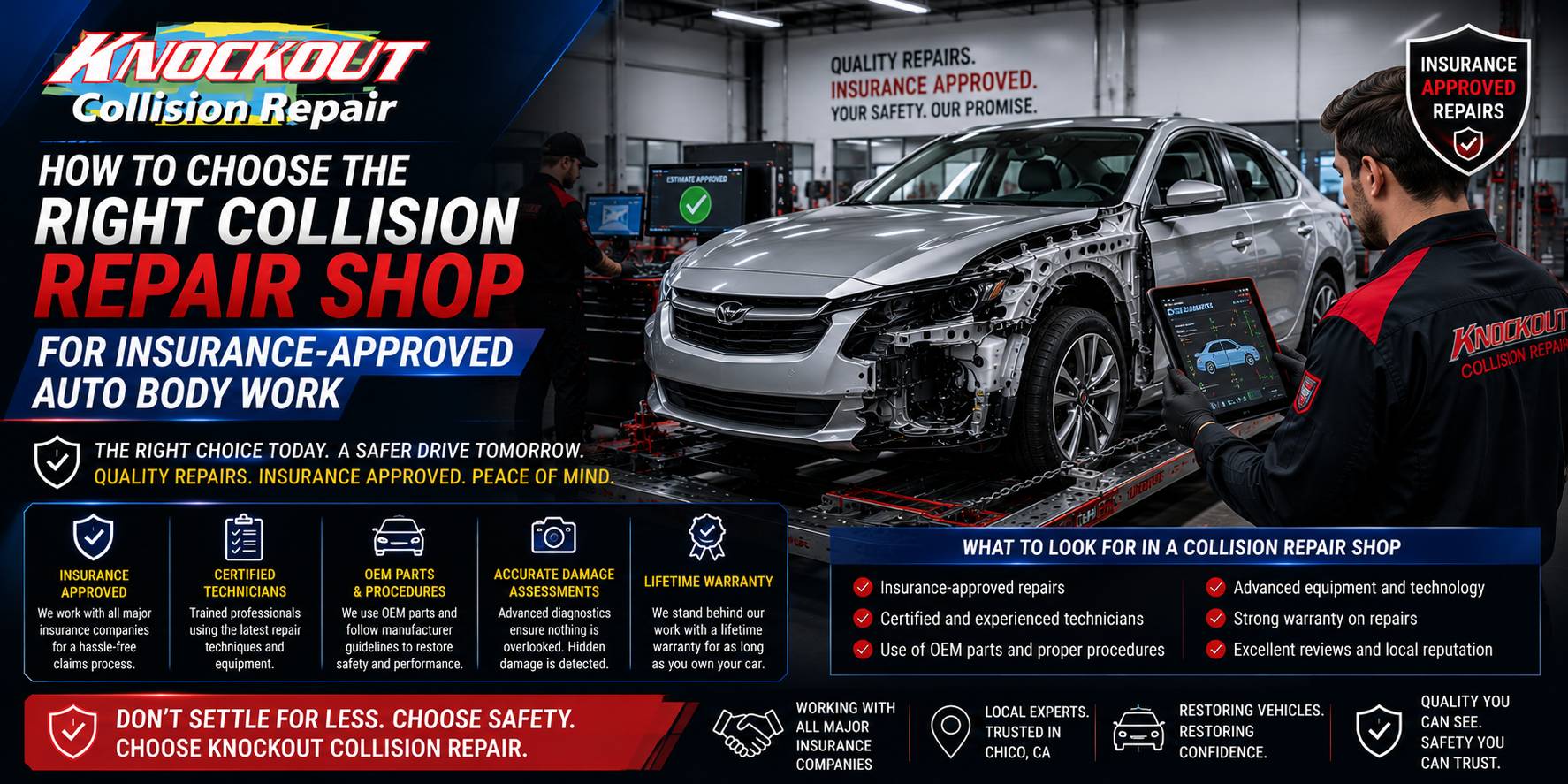
What should you check before saying yes to an insurance repair estimate? Accident repair stays complicated once panels come off. A collision repair shop has to inspect the structure, paint damage, sensors, brackets, clips, weld points, and the parts hidden behind the dent you can see.
The insurer may approve one estimate, then the teardown can reveal more damage. A bumper hit can involve a sensor. A side impact can shift the door gap.
What to Look for Before Choosing a Collision Repair Shop

A repair shop should explain the damage in plain terms, not push you toward the quickest signature. The estimate should show labor, refinish time, parts, scans, materials, and possible supplement items.
Modern cars carry cameras, radar units, lane-warning systems, and parking sensors in places that once held only trim or metal. About two-thirds of repair jobs involving crash avoidance features included ADAS calibration. Many insurance-approved repairs now need electronic checks after bodywork ends. A car can look repaired and have a driver-assist feature aimed wrong.
How the Right Repair Shop Protects Your Vehicle and Makes the Process Easier
A solid repair process starts before parts get ordered. The team inspects the vehicle, reviews the claim, checks procedures, confirms parts needs, and updates the owner.
Check the Shop’s Training, Certifications, and Repair Experience
Body repair has changed. Technicians now work with aluminum, high-strength steel, adhesives, seam sealers, sensors, and layered paint systems. A trained auto body technician knows when a dent can be repaired and when a panel should be replaced. That judgment affects how the car looks and drives after repair.
A collision repair shop with proper experience will not treat every dent the same. Door skin damage, quarter-panel damage, bumper cover damage, and frame rail damage all need different decisions.
Ask Whether Repairs Follow Vehicle Manufacturer Procedures
Factory procedures tell technicians where to weld, which clips to replace, how to protect corrosion coatings, and when parts cannot be reused. “Can you fix it?” is too broad. “Will you follow the vehicle manufacturer’s procedure?” gets closer to the point.
| Repair Area | What The Shop Should Check | Why It Affects The Owner |
| Minor dent repair | Panel depth, paint break, and nearby trim | Stops a small repair from turning messy later |
| Paint repair | Color code, spray-out card, blend area | Helps the new finish match the older panels |
| Frame or unibody work | Measurements, pull points, and weld locations | Protects alignment and crash behavior |
| ADAS repair | Scans, calibration, sensor position | Keeps driver-assist features working as designed |
Nearly three-quarters of owners whose crash avoidance systems were repaired after crash damage reported post-repair issues when the repair did not get fully resolved. The repair method should count more than a fast completion date.
Review Dent Removal, Paint Matching, and Refinishing Services
Small dents can still require careful paintwork. Paintless dent repair may work when the paint surface remains intact. Once the paint cracks, scratches, or chips, the job usually moves into sanding, filling, priming, refinishing, and blending.
Paint matching takes more than entering a code into a mixing system. Sun, age, previous repairs, factory variation, and panel angle can change how color appears. Good refinish work needs washing before inspection, panel cleaning before paint, wet sanding, rinsing, and dust control. Even shop water taps matter because technicians rely on clean water for washing, cleanup, hygiene, and paint-area prep.
Confirm the Shop Can Handle Frame and Unibody Damage
Major accident damage often hides behind parts that look harmless. A bumper cover can hide a bent reinforcement. A side impact can move mounting points.
A proper repair team measures the vehicle, checks structural points, reviews damaged panels, and explains what must happen before paint work begins. Frame straightening or unibody repair should never feel like guesswork.
Look for Insurance Claim Assistance and Accurate Repair Estimates
Insurance paperwork can be harder to repair than the damage itself. Supplements, part delays, photos, approvals, and rental timing can slow the job.
The owner still has the right to ask questions. What parts are listed? Are they OEM, recycled, aftermarket, or reconditioned? What happens if the technician finds damage after teardown?
Compare Repair Warranties, Communication, and Turnaround Expectations
A warranty shows how the shop stands behind labor and paint work. Read the terms before the job starts.
Turnaround time also deserves an honest discussion. Paint curing, parts shipping, insurer approval, calibration, and final inspection can affect the schedule. A shop that gives updates creates less frustration than one that promises a date and disappears.
Why Choose Knockout Collision Repair for Minor and Major Vehicle Damage
Knockout Collision Repair has served Chico since 1999 as a family-owned auto body repair business. The shop handles dent and scratch repair, auto body painting, frame straightening, paint matching, appraisals, towing coordination, and insurance claim support under one roof.
At Knockout Collision Repair, we focus on repair planning before the job moves too far. That includes finding hidden damage, working with all insurance companies, and using genuine OEM parts whenever possible. The shop also backs qualifying repairs with a lifetime warranty, which gives owners a written reason to trust the workmanship after pickup.
Key reasons owners compare this shop include:
- Lifetime warranty on qualifying repairs, advanced repair equipment, and final quality control before delivery
- Free consultations, fast turnaround goals, and repair planning for both minor dents and heavier accident damage
Questions to Ask Before Approving Collision Repairs
Owners should not approve repair work only because an estimate looks organized. Ask questions that expose the shop’s process.
Use this short checklist:
- Will the repair include scans and ADAS calibration when required?
- What parts will the shop use, and why?
- How will the team handle hidden damage after teardown?
- Will paint blending, clips, corrosion protection, and materials appear?
- What warranty covers the repair, paint work, and parts?
Conclusion
The right repair decision protects the vehicle long after the insurance file closes. Minor dents need careful paint and panel judgment. Major accident damage needs structural checks, factory procedures, proper parts, calibration, and final inspection.
For Chico drivers who want insurance help, proper repair planning, and careful workmanship, Knockout Collision Repair is ready to help. Choose a collision repair shop that treats the vehicle like a safety system, and contact us to schedule your repair today.
FAQs
Can a repair shop charge more than the insurance estimate?
Yes. Teardown may reveal hidden parts, brackets, or structural damage, and the shop submits a supplement.
Why does my repaired car need a scan if no warning light appears?
Some faults stay stored inside vehicle systems without warning lights, so scans help technicians catch them early.
Can I ask for OEM parts after the insurer writes the estimate?
Yes. You can request OEM parts, though coverage depends on your policy and insurer approval.
Why does paint repair take longer than dent repair?
Paint repair takes longer because the team must prep, match, blend, dry, and inspect the finish.
Should I pick a shop only because my insurer recommends it?
No. Review the shop’s process, warranty, parts policy, equipment, communication, and repair documentation before approving.